Crops and Solutions

Berry crops such as raspberry (Rubus idaeus), blueberry (Vaccinium spp.), and strawberry (Fragaria × ananassa) are highly valuable both nutritionally and economically. These species require cool environments and well-aerated soils with good organic matter content and generally slightly acidic pH.They are sensitive to water and temperature stress, which can compromise flowering, fruit set, and fruit quality.

In agronomy, the use of biostimulants is particularly effective for supporting root development, improving nutrient efficiency, and increasing tolerance to abiotic stress, helping secure consistent production and high organoleptic fruit quality.
Cereals represent a cornerstone of global agriculture, cultivated over large areas and divided into autumn–winter crops (such as soft wheat, durum wheat, and barley) and spring crops (such as corn, sorghum, and rice). These crops require careful agronomic management, considering soil fertility and structure, balanced nutrient supply, protection from abiotic stress, and appropriate cultivation practices.

In this context, the use of biopromoters or biostimulants during critical developmental stages can support root development, improve nutrient absorption, and enhance the plant’s ability to cope with adverse conditions, ultimately contributing to higher yields and more uniform production quality.
Citrus crops are among the most characteristic cultivations of the Mediterranean area, favored by mild winters, abundant light, and well-drained soils. The main cultivated species—sweet orange, lemon, mandarin, and clementine—are appreciated for their steady vegetative habit, fragrant flowering, and production of fruits rich in nutrients and essential oils.

Agronomic management requires particular attention to water availability, soil fertility, and the mitigation of environmental stress, as these species are sensitive to waterlogging and sudden temperature changes. Improving vegetative–productive balance and ensuring optimal conditions during flowering, fruit set, and fruit enlargement is essential to achieving stable yields and high-quality fruit.
Floriculture includes the production of ornamental plants, cut flowers, shrubs, and nursery species, for both the ornamental market and landscape restoration. This sector requires precise agronomic techniques to ensure aesthetic quality, uniform growth, and resilience to environmental and phytosanitary stresses.

Floricultural crops often have high cultivation intensity, requiring balanced substrates, targeted irrigation, and specific nutrition. The use of biostimulants promotes root development, enhances leaf and flower coloration, and increases plant resilience, supporting high-quality production with commercial value.
Fresh-cut leafy crops include species cultivated for fresh salads and baby leaf production such as lettuce, spinach, chard and chicory.They are characterized by short production cycles and tender tissues with high water content, which determine freshness and crispness.

From an agronomic perspective, they require fertile, well-drained soils, balanced nutrition, regular irrigation, and growing conditions that promote rapid and uniform development, while minimizing stress factors that can compromise growth, texture, and yield.
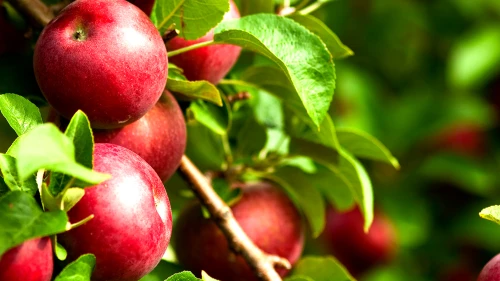
Fruit crops are a cornerstone of agriculture in terms of cultivated area and economic value. Species such as apple, pear, peach, cherry, and kiwifruit require increasingly precise management, made more complex by climate change and the demand for sustainable production. Fruit quality and yield stability depend on several factors, including water availability, soil fertility, and climatic conditions.

Proper management of nutrition, vegetative growth, phenological stages, and environmental stress is essential to obtain fruit of excellent size and quality while maintaining long-term profitability of the orchard.
Fruit vegetables include herbaceous species grown for fruit production, such as tomato, pepper, eggplant, chili pepper, zucchini, cucumber, melon and watermelon. These crops require fertile, well-drained soil, good light exposure, regular irrigation and balanced nutrition in order to fully develop and ensure high-quality fruits.

To express their full productive potential, fruit vegetables require targeted agronomic practices. Greenhouse or tunnel cultivation allows growers to anticipate the season, extend production cycles and improve harvesting continuity, while in warmer and sunnier areas it is possible to obtain early harvests and high production volumes for most of the year.
Industrial crops include species intended for agro-industrial processing, such as tomato, potato, sunflower, sugar beet, soybean, tobacco and many others. These productions are characterized by high cropping intensity and by specialized agronomic techniques that include the use of certified seeds, targeted fertilization programs, optimized irrigation systems and integrated pest management to ensure production stability and reduce field losses.

From an agronomic perspective, the main objective is to maximize yield per unit area and ensure production with consistent quality standards, in line with the requirements of the processing industry. To achieve this result, it is essential to guarantee nutritional efficiency, maintain soil fertility, manage environmental stress effectively and preserve crop health throughout the entire production cycle.
Leafy vegetable crops typically takes place in regions with fertile soils and temperate climates and represent an important segment of horticulture intended both for fresh consumption and for the food industry.

These crops have short cycles and require intensive management, including regular irrigation, targeted fertilization and protection from insects and diseases. Final product quality and yield per hectare depend on multiple factors, including variety selection, agronomic practices and post-harvest management.
Legumes are cultivated both for human consumption and for livestock use. Yields generally range from 1.5 to 4 tons per hectare, influenced by species, agronomic practices and climatic conditions.

Legumes require well-drained and fertile soils, balanced water management and adequate nutrient inputs, particularly nitrogen and phosphorus, to support germination, growth and flowering. Main challenges include insect pests, fungal diseases, water stress and climate variability. Seed quality, determined by its protein, carbohydrate, lipid and mineral composition, is essential to define the commercial value of the harvest.
The establishment phase represents a crucial moment for the success of trees and fruit crops.The choice of nursery material, soil preparation, and early-stage management determine the future productivity and longevity of the orchard.Proper agronomic planning helps optimize rooting, stimulate vegetative development, and increase the resilience of young plants.

Targeted use of biostimulants and microorganisms supports early physiological processes, promoting uniformity and vigor—key elements to ensure rapid establishment and lay solid foundations for future production.
Nut crops such as hazelnut, almond, walnut, and pistachio play an important role due to their high economic value and relevance for the food industry. These tree species prefer well-drained, deep soils with good organic matter content and are sensitive to waterlogging and prolonged nutrient deficiencies. Increasingly frequent water, salt, and temperature stress can reduce fruit set and seed quality.

The use of biostimulants is strategic for promoting root development, optimizing nutrient uptake, and increasing resilience to abiotic stress, thus improving yield, kernel size, and oil content.
The olive tree (Olea europaea) is a key crop of Mediterranean agriculture, particularly widespread in Southern Europe, North Africa and the Middle East, where warm-arid climates support its growth and productivity.

It adapts well to both hilly and flat terrains with sunny exposure and well-drained soils and includes varieties for both oil and table use. Average yields range from 2 to 6 tons of olives per hectare, depending on cultivar, cultivation techniques and climate. Major production challenges include alternate bearing, water stress, soil erosion, olive fruit fly and fungal diseases.

From an agronomic standpoint, olive trees require balanced nutrition, targeted water management and fertile, well-structured soils to ensure vigor, consistent productivity and high harvest quality.
Root vegetables include crops such as carrots, radishes, turnips, garden beets, parsnips, horseradish, and ginger. These plants are characterized by fleshy, well-developed roots rich in carbohydrates, vitamins, and minerals, while the aerial parts usually remain herbaceous and relatively small.

To achieve high-quality production, these crops require loose, deep, well-drained soils rich in organic matter, allowing roots to develop freely. Balanced irrigation and targeted nutrition are equally important to support growth and uniformity of the harvest.
Small fruits such as raspberry (Rubus idaeus), blueberry (Vaccinium spp.), and strawberry (Fragaria × ananassa) represent crops of growing interest due to their nutritional value and production profitability. These species require cool environments and well-aerated soils with good organic matter content and generally sub-acid pH. They are sensitive to water and temperature stress, which may compromise flowering, fruit set, and fruit quality. In agronomic management, the use of biostimulants is particularly useful for supporting root system development, improving nutritional efficiency, and increasing tolerance to abiotic stress, thus contributing to more consistent yields and fruits of high organoleptic quality.
These crops require specific soil and climate conditions, characterized by mild winters and warm summers, as well as careful about agronomic management during planting and development stages. Interest in these productions is steadily growing, as they represent an opportunity to diversify cropping systems, introduce new market products, and enhance agricultural areas with non-traditional agroclimatic potential.
Vegetables include herbaceous species grown for fruit production, such as tomato, pepper, eggplant, chili pepper, zucchini, cucumber, melon and watermelon. These crops require fertile, well-drained soils, good light exposure, regular irrigation and balanced nutrition to fully develop and produce high-quality fruits.

To express their full productive potential, fruity vegetables require targeted crop management. Greenhouse or tunnel cultivation allows earlier harvests, extended production cycles and improved harvest continuity, while in warmer, sunnier areas, early production and high volumes can be achieved for most of the year.
The Vine (Vitis vinifera L.), belonging to the Vitaceae family, is a perennial climbing shrub species cultivated both for fresh consumption and winemaking.It is characterized by a deep root system and a lignified trunk that annually produces fruiting shoots bearing clusters.The main training systems—overhead trellis, pergola, guyot, and spur cordon—are adopted based on vigor, mechanization needs, and production goals.

From an agronomic perspective, vine cultivation requires careful water management, balanced nutrition, and appropriate canopy management practices.These are essential to ensure controlled vigor, good shoot fertility, uniform cluster development, and high fruit quality.